
Why Excel is the Blueprint of your Business History, but CRM is the Architecture of your Future
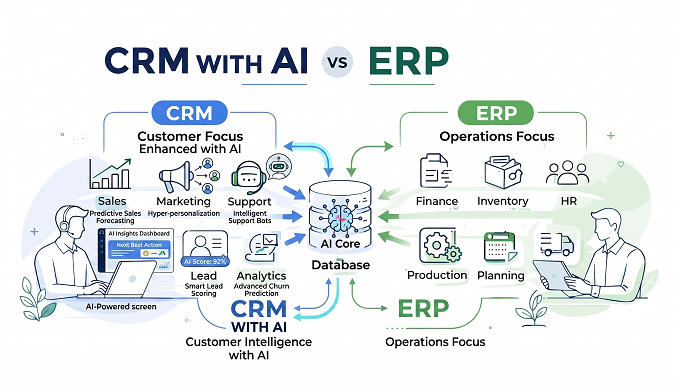
CRM, or Customer Relationship Management, is crucial for businesses because it serves as a powerful central hub for organizing, managing, and leveraging customer data to build stronger, more profitable relationships. At its core, CRM is important because it transforms interactions from transactions into long-term, valuable partnerships.
Here are the key reasons why CRM is vital for business success:
1. Unified and Accessible Customer Data
A CRM system acts as a single, centralized database for all information related to leads, customers, and partners. This creates a “single source of truth” accessible across departments.
- Why it’s important: It eliminates silos, ensuring everyone from sales and marketing to customer support is working with the latest, most accurate data, including contact details, interaction history, purchase records, and preferences.
2. Enhanced Customer Experience and Personalization
With detailed customer profiles, businesses can move away from one-size-fits-all approaches and deliver highly personalized experiences.
- Why it’s important: Personalized communication, tailored product recommendations, and faster, more context-aware customer service significantly increase customer satisfaction and loyalty. Feeling valued and understood strengthens the customer’s emotional connection to the brand.
3. Improved Sales Efficiency and Performance
CRM systems streamline and optimize the entire sales process, from lead generation to closing the deal.
- Why it’s important: Sales teams can prioritize the most promising leads with lead scoring, track every deal through the sales pipeline, set automatic reminders for follow-ups, and automate administrative tasks like data entry. This results in faster sales cycles, higher conversion rates, and a more productive sales force.
4. Optimized Marketing Targeted Campaigns
Detailed data allows for granular customer segmentation based on behavior, demographics, purchase history, and more.
- Why it’s important: Marketing efforts become much more effective when targeted at the right audience with the right message. This leads to better campaign ROI, higher open and click-through rates, and more qualified leads flowing to the sales team.
5. Streamlined Customer Service and Support
When a customer contacts support, agents have immediate access to their complete interaction history and account details.
- Why it’s important: Issues are resolved faster because agents don’t need to ask repetitive questions to gather context. It enables proactive problem-solving and ensures a consistent support experience across different channels (email, phone, chat).
6. Data-Driven Decision Making
CRM systems offer powerful dashboards, reporting, and analytics tools.
- Why it’s important: Businesses can use real-time data to identify trends, forecast future sales, monitor the health of their business, measure campaign performance, and uncover areas for improvement. Decisions are based on solid evidence, not guesswork.
7. Better Internal Collaboration
CRM breaks down barriers between different departments by sharing customer data across the organization.
- Why it’s important: Marketing can see which leads convert, sales can see previous support issues, and service can see the complete sales history. This creates a cohesive “one-company” approach to managing customer relationships, ensuring smooth handoffs and consistent messaging throughout the customer journey.
8. Automation of Repetitive Tasks
Many time-consuming, manual processes can be automated within a CRM, such as data entry, email follow-ups, and lead assignments.
- Why it’s important: This frees up valuable time for employees to focus on high-impact strategic activities that directly contribute to growth, like building relationships and closing major accounts.
9. Increased Customer Retention
By proactively engaging customers, providing excellent service, and personalization, CRM significantly improves customer retention rates.
- Why it’s important: Acquiring new customers is always more expensive than keeping existing ones. A higher retention rate directly correlates to increased profitability and long-term business stability.
10. Modern AI Integration (CRM with AI)
Leading CRM systems now integrate Artificial Intelligence to take these benefits to the next level.
- Why it’s important: AI can provide predictive sales forecasting, identify customers at risk of churn, automate hyper-personalization, and power intelligent chatbots for instantaneous customer support.
In short, a CRM system provides the structure, insights, and tools necessary for a business to become truly customer-centric, which is essential for thriving in today’s highly competitive market.
Streamline your business with Relikor’s CRM services. We specialize in Zoho CRM and open-source CRM setup. Contact us today for customized solutions, hosting, automation, Email Integration with MS 365, Google Workspace, N8n, Whatsapp and maintenance support.